
|
Getting your Trinity Audio player ready...
|


Hook
In September 2001, the world witnessed one of the most shocking geopolitical events in modern history: the September 11 attacks.
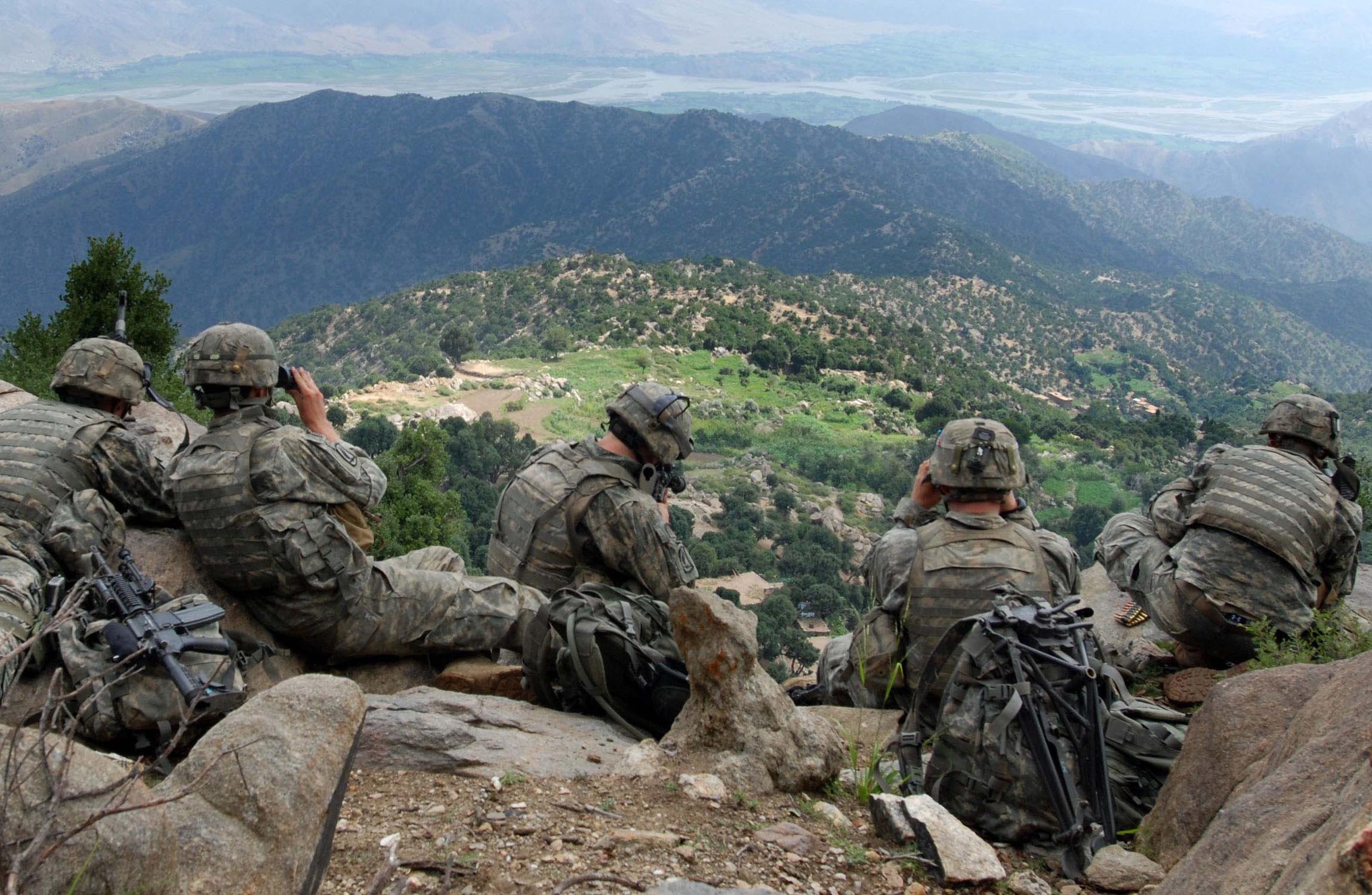
Within weeks, the United States launched military operations in Afghanistan, beginning what would become the War in Afghanistan—a conflict that lasted nearly two decades.
The immediate aftermath created intense uncertainty across global markets. Airlines were grounded, financial markets temporarily shut down, and investor confidence dropped sharply.
However, something fascinating happened afterward: markets recovered surprisingly quickly.
For investors, the Afghanistan War provides valuable lessons about how markets react to sudden geopolitical shocks, how investor psychology influences volatility, and why long-term discipline is essential during crises. 📊💡
Understanding these lessons can help investors navigate uncertain global environments and build resilient long-term portfolios.
Understanding the Economic Shock After 9/11 🌍📉✈️
The economic shock that triggered the Afghanistan War began with the terrorist attacks in the United States.
Financial markets reacted immediately.
| Economic Factor | Market Impact |
|---|---|
| Terrorist attacks ✈️ | Global panic and uncertainty |
| Market shutdown 📉 | Temporary halt in trading |
| Airline industry collapse 🛫 | Severe sector decline |
| Military response ⚔️ | Increased defense spending |
When U.S. markets reopened, the S&P 500 experienced one of its sharpest short-term declines.
📊 A conceptual market chart could show the rapid fall followed by a gradual recovery.
💡 Key insight:
Even extremely severe geopolitical shocks often produce temporary volatility rather than permanent market damage.
Lesson 1: Markets React Immediately to Unexpected Crises ⚠️📉
Sudden geopolitical shocks can trigger rapid reactions in financial markets.
Following the attacks:
📉 global stock markets declined sharply
⚠️ investors rushed to reduce risk
💰 safe-haven assets gained attention
| Market Phase | Investor Behavior |
|---|---|
| Sudden crisis ⚠️ | Fear and uncertainty |
| Market decline 📉 | Panic selling |
| Stabilization 📊 | Gradual confidence |
| Recovery 📈 | Renewed optimism |
⚠️ Investor takeaway:
Unexpected events often trigger short-term panic, but markets typically stabilize once uncertainty begins to fade.
Lesson 2: Different Industries React Very Differently 📊⚔️
Geopolitical crises rarely affect all sectors equally.
Some industries face severe pressure, while others may benefit.
| Sector | Impact |
|---|---|
| Airlines ✈️ | Major decline in demand |
| Insurance 🏦 | Rising claims and risk |
| Defense sector ⚔️ | Increased government spending |
| Technology 💻 | Continued long-term growth |
Understanding sector dynamics helps investors evaluate which industries are more resilient during crises.
Lesson 3: Government Policy Can Stabilize Markets 🏛️📊
After the attacks, governments and central banks moved quickly to stabilize financial markets.
Key measures included:
💰 monetary stimulus
🏛️ financial system support
📊 defense spending increases
📉 economic recovery programs
Government intervention often plays a crucial role in restoring investor confidence during crises.
Lesson 4: Investor Psychology Amplifies Market Movements 🧠📊
Financial markets are heavily influenced by human emotions.
During crises, investors often experience:
⚠️ fear of further attacks
📉 panic selling
💰 movement toward safe-haven assets
Investor sentiment often follows recognizable emotional cycles.
| Market Phase | Emotional Response |
|---|---|
| Shock ⚠️ | Fear |
| Market decline 📉 | Panic |
| Stabilization 📊 | Relief |
| Recovery 📈 | Optimism |
Understanding these cycles helps investors avoid emotion-driven decisions.
Lesson 5: Diversification Helps Protect Portfolios 🎯📊
Geopolitical crises often affect different asset classes in different ways.
Diversified portfolios tend to perform better during uncertain periods.
| Asset Class | Role During Crisis |
|---|---|
| Equities 📈 | Long-term growth but volatile |
| Gold 💰 | Safe-haven asset |
| Bonds 🏦 | Portfolio stability |
| Cash 💵 | Liquidity buffer |
📊 A conceptual portfolio diversification chart could illustrate balanced exposure across multiple asset classes.
Diversification acts as a financial shock absorber during global uncertainty.
Lesson 6: Global Conflicts Affect Emerging Markets Too 🌍🇮🇳
Although the war occurred thousands of kilometers away from India, global geopolitical events still influence emerging markets.
Possible effects include:
📉 shifts in global investor sentiment
💱 capital flow volatility
⛽ changes in commodity prices
📊 stock market fluctuations
This demonstrates how interconnected global financial markets have become.
Lesson 7: Long-Term Investors Focus on Fundamentals 📊💡
Despite geopolitical turmoil, long-term market performance is driven by economic fundamentals.
Successful investors focus on:
📈 earnings growth
🏢 business competitiveness
📊 financial strength
🌍 long-term economic trends
Temporary geopolitical crises rarely change the long-term trajectory of strong businesses.
Lesson 8: Crises Can Create Investment Opportunities 📉📈
Periods of market stress sometimes create attractive entry points.
When fear dominates markets:
📉 valuations decline
📊 strong companies trade at discounts
💡 opportunities emerge for disciplined investors
However, careful research and risk management remain essential.
Lesson 9: Market Resilience Is Often Underestimated 📊📈
One of the most surprising lessons from the Afghanistan War era is how resilient financial markets proved to be.
Despite a massive geopolitical shock:
✔ markets eventually recovered
✔ economic growth resumed
✔ corporate earnings continued expanding
This reinforces a critical investing principle:
Markets are often far more resilient than investors expect during crises.
Common Misconception ⚠️
“Geopolitical crises permanently damage financial markets.”
History shows that markets often recover after geopolitical crises.
While shocks create short-term volatility, economies and businesses adapt over time.
Investors who panic during crises may miss the recovery that follows.
Direct Stock Investing: Opportunity Requires Discipline 📊⚠️
Global crises highlight the importance of disciplined investing.
Direct stock investing requires:
📚 detailed research
📊 financial analysis
⏳ long-term monitoring
⚠️ risk management
🧠 emotional discipline
Investors who lack sufficient expertise or time may consider diversified investment vehicles such as mutual funds.
A Resilient Investor Framework for Geopolitical Risks 🎯📊
Investors can navigate geopolitical uncertainty by following disciplined principles.
| Principle | Investor Application |
|---|---|
| Diversification 🎯 | Spread investments across asset classes |
| Risk Awareness ⚠️ | Monitor geopolitical developments |
| Long-Term Thinking 📈 | Avoid panic-driven decisions |
| Balanced Allocation 📊 | Combine growth and defensive assets |
📊 A conceptual portfolio allocation chart could illustrate balanced exposure across equities, bonds, gold, and commodities.
Key Takeaways 💡📊
✔️ Sudden geopolitical shocks can trigger market volatility.
✔️ Different sectors respond differently during crises.
✔️ Government policy can stabilize financial markets.
✔️ Diversification helps protect portfolios during uncertainty.
✔️ Investor psychology amplifies market movements.
✔️ Long-term disciplined investors often benefit from market recoveries.
👉 Explore more research-driven insights on **Smart Investing India — Invest smartly, India! 🇮🇳📈
Discover more from Smart Investing India
Subscribe to get the latest posts sent to your email.